This is quite a departure for me: talking about ingested, rather than inhaled asbestos. In fact it’s so much of a departure that, until last year, I hadn’t really considered it. With the shame that hindsight can sometimes induce, I also recall in my early career ridiculing the issue as being irrelevant. My road to Damascus moment came with the excellent talk at last year’s EAF by Professor Arthur Frank, from Drexel University in Philadelphia.
Professor Frank highlighted growing evidence that links ingested asbestos to cancers beyond the respiratory system. These include ovarian cancer, peritoneal mesothelioma, kidney cancer, and various gastrointestinal tract cancers (esophageal, stomach, and colorectal). All of this evidence is supported by epidemiological studies and meta-analyses.
Frank also identified that asbestos fibres have been found embedded in numerous body tissues, demonstrating migratory behaviour – for example, crossing the bowel wall, diaphragm, and even the placenta. He also noted that early-onset colon cancer was increasing, and an area of real concern.
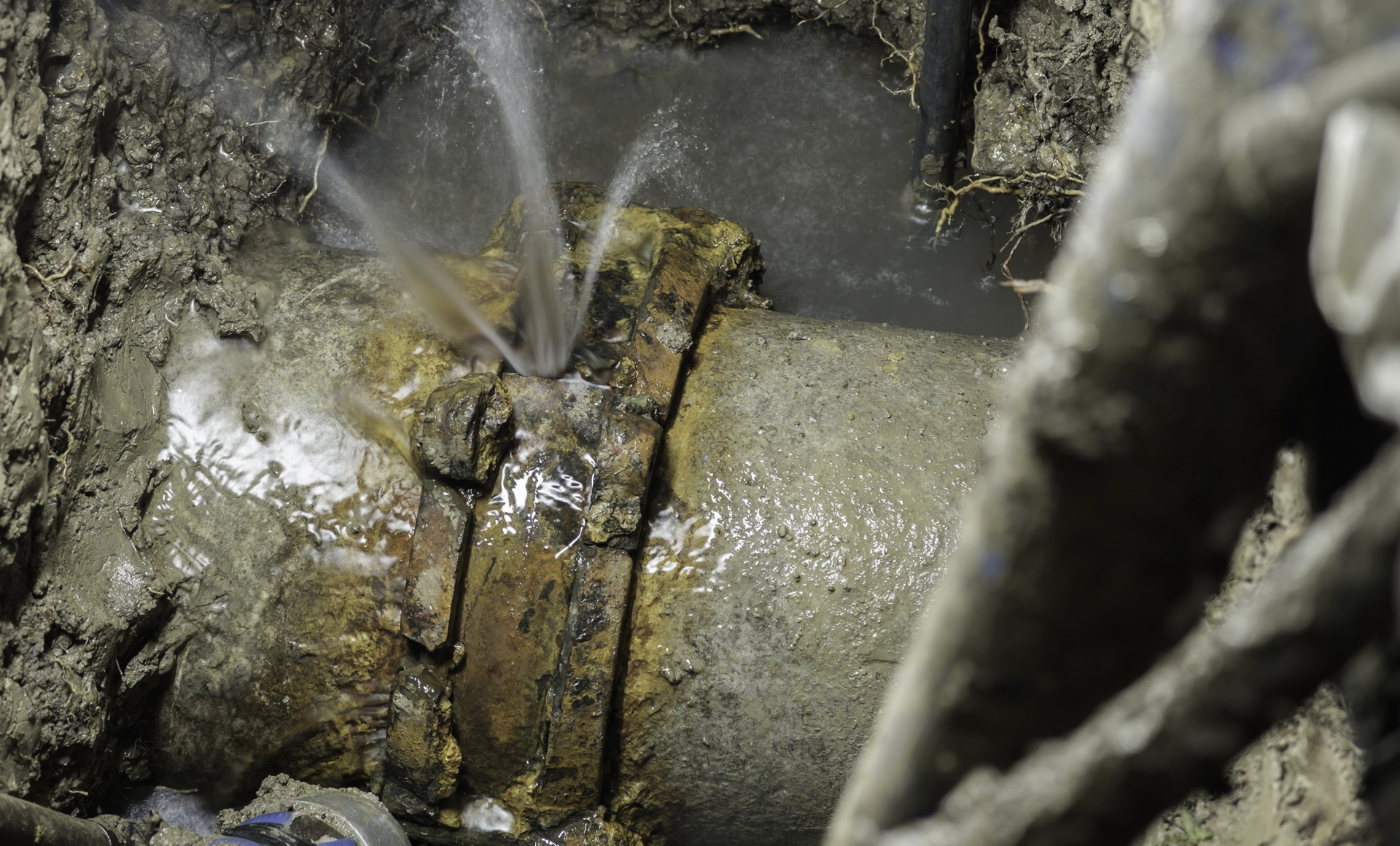
There is an obvious source for these ingested fibres. When we inhale in a contaminated environment, some fibres are trapped by the natural defences of the body and swallowed. But while this would contribute to an exposure pathway, asbestos cement water pipes represent a very persuasive alternative angle.
Most in the UK probably aren’t even aware we have asbestos cement water pipes, and, again, it’s something that I firmly believed was a non-problem. But we do have them. When you consider that they’re typically 50-100 years old – and you see what a cement roof looks like after 50 years – ignorance isn’t really an option.
The USA tends to lag behind in asbestos regulations, but it’s way ahead on regulating asbestos in water. The Environmental Protection Agency (EPA) actually has a limit: seven million fibres per litre. They recognise that if this is a problem it is a genuinely big one, because as Frank revealed, there are more than 992,000km of asbestos cement water pipes in the USA alone.
This is a truly huge length – enough to stretch nearly 25 times round the world. Testing has shown fibre levels in drinking water ranging from hundreds of thousands to over a billion fibres per litre, clearly far exceeding the limits. But beyond the USA, I am not aware that much testing is done.
Julian Branch, an award-winning Canadian investigative journalist who has spent most of his career at The Canadian Press, is far from being behind the curve. He has been investigating this issue for around 10 years. While the USA has some sense of the scale of its problem, Canada is only beginning to study it, with data limited to isolated cities and districts.
The UK, by contrast, doesn’t even formally recognise the issue. Some global figures exist, but as one UK water utility told me, asbestos cement pipes were installed before legal requirements for asset registers, so their exact extent is unknown. Julian Branch estimates there are roughly 35,000 kilometres of asbestos cement pipes in the UK, 40,000 kilometres in Australia, and hundreds of thousands of kilometres across Europe.
It’s interesting to look at a couple of specific regions in the UK, which get their water supplies from Dŵr Cymru (Welsh Water) and United Utilities (broadly the NW of England). Freedom of Information requests reveal that in Wales, asbestos cement pipes comprise 13.1% of the drinking water network. But in line with our understanding of the life expectancy of these pipes, they are responsible for 43% of all the country’s breakages and repairs.
Where Dŵr Cymru seems to know to the kilometre how much asbestos it has in its network, United Utilities was much more uncertain:
Almost all asbestos cement pipework was laid before the legal requirement to keep an asset register for asbestos-containing materials. Also, as almost all of this pipework was laid in the mid-twentieth century and the pipes themselves are buried, our records are incomplete and only updated as work is carried out.
Having said that, we estimate that we currently have approximately six and a half thousand kilometres of asbestos cement main [sic], which is approximately 15% of our water network.
The condition of these pipes in the North West is clearly rapidly deteriorating, with the proportion of breakages relating to asbestos cement increasing 35% in the last five years:
| 2020-2021 | 2021-2022 | 2022-2023 | 2023-2024 | 2024-2025 | |
| Incidences | 1353 | 1625 | 1691 | 1895 | 1803 |
| % of total | 29.8% | 39.6% | 35.3% | 41.6% | 40.3% |
Similarly to what the figures show in Wales, it is notable that in 2024-25, despite asbestos pipes making up approximately 15% of the United Utilities network, they accounted for 40.3% of breakages.
The fact that the USA of all places is so far ahead of the rest of the world in regulating asbestos in water is uncomfortable, and deeply ironic given its reluctance or inability to ban the material. Julian Branch notes that the issue has been repeatedly highlighted in the US since the 1980s. A 1985 EPA study on the subject concludes: “Asbestos has a definite potential for human carcinogenicity by ingestion.”
Cast your mind back to Professor Frank’s assessment of the academic literature: there is growing evidence linking ingested asbestos to cancers beyond the respiratory system (including gastrointestinal cancers), and there is significant evidence of the migration of fibres. Now consider the alarming statistics highlighted by Julian:
So how does this affect us on this side of the pond? Just as there is no difference between UK, European and North American lungs, one would imagine that our gastrointestinal tract is going to react to carcinogens in a pretty similar way.
Cancer rates in the UK are widely available, and from them we can see that gastrointestinal cancers are on the increase here, too. If we look at colonic cancer in England we can see a 3% rise in the incidence, which compares with a 27% drop in rectal cancer (my understanding is that the former is linked to ingested asbestos more strongly than the latter).
If we look at Wales over a similar period we see a 17% increase in colon cancer. Why would we see any difference between these two neighbouring and largely similar nations? One reason could be because of the water.
 |
 |
| Michal Hájek et al. | East Devon Water Softeners |
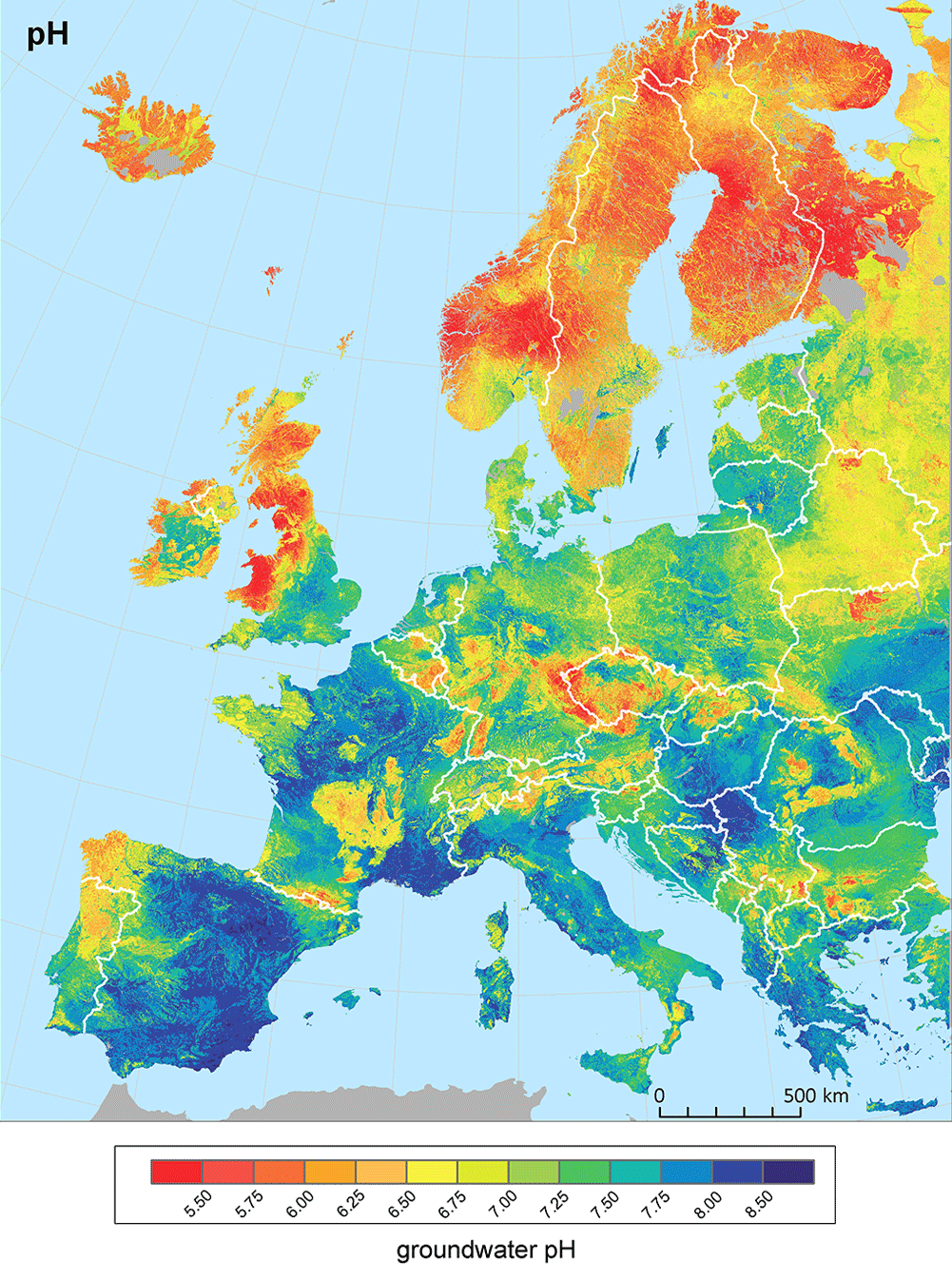
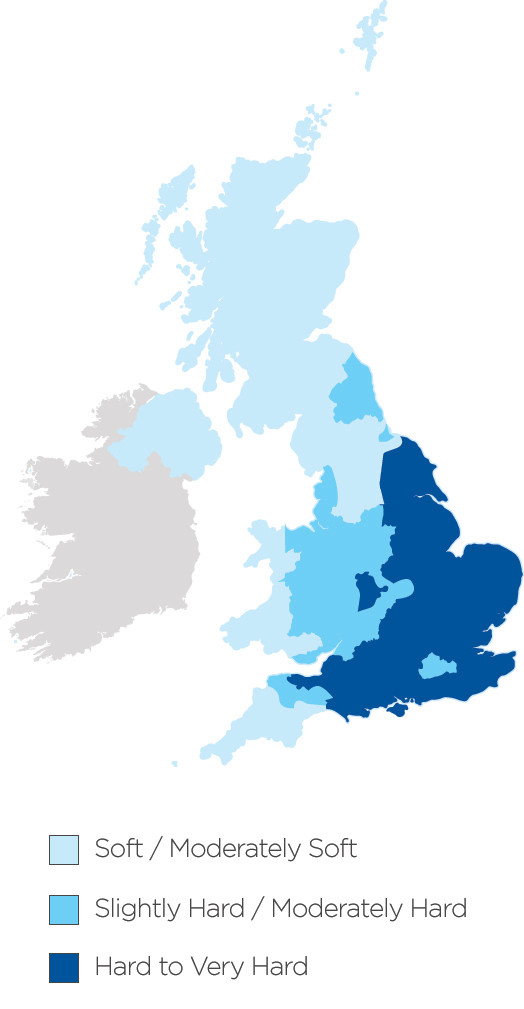
These two maps are quite revealing. The first is a map of the groundwater pH levels across Europe, with acidic (low pH) in red, and alkaline (high pH) in blue. Pick out Wales and you will see that it has strongly acidic ground water. You will also note that while the majority of England is quite strongly alkaline, the North West is similar to Wales. The second map shows how ‘hard’ the UK’s water is. Hard water is packed full of minerals that tend to leach out, hence the furring of pipes and appliances.
You can see the two maps show a broadly similar pattern, but why are either of these things relevant? For one, asbestos cement is itself alkaline, and therefore vulnerable to acidic attack. Secondly, soft water is less saturated by minerals, so it tends to do the reverse of hard water: dissolving minerals from the structure of the pipe, a process referred to as soft water attack.
For the century that some asbestos cement pipes have been underground, they’ve endured the natural friction of billions of litres of water flowing through them. However, in Wales and the North West of England, asbestos is also vulnerable to being dissolved through both direct acidic attack, and softwater attack.
This doesn’t just present a plausible explanation for the high rate of pipe failure in those regions, but it would also increase the likelihood of a high concentration of asbestos fibre being present in the water.
It’s interesting to compare a region with different groundwater qualities. Severn Trent supplies a broad stretch of central England – from the Bristol Channel up to the Humber – where the water tends to be more alkaline and harder. It told me that only 7.8% of its network is made up of asbestos cement pipes, and that those account for just 2% of total failures.
Julian Branch also highlighted an important factor noted in an article by Hu and Hubble in the Canadian Journal of Civil Engineering: heavy clay soils. While clay itself doesn’t directly affect water pH or hardness, it does expand and contract with very wet or very dry seasons. It would be fascinating to see how pipe breakage rates respond in a record-breaking year like the one we’ve just experienced.
Copyright Julian Branch
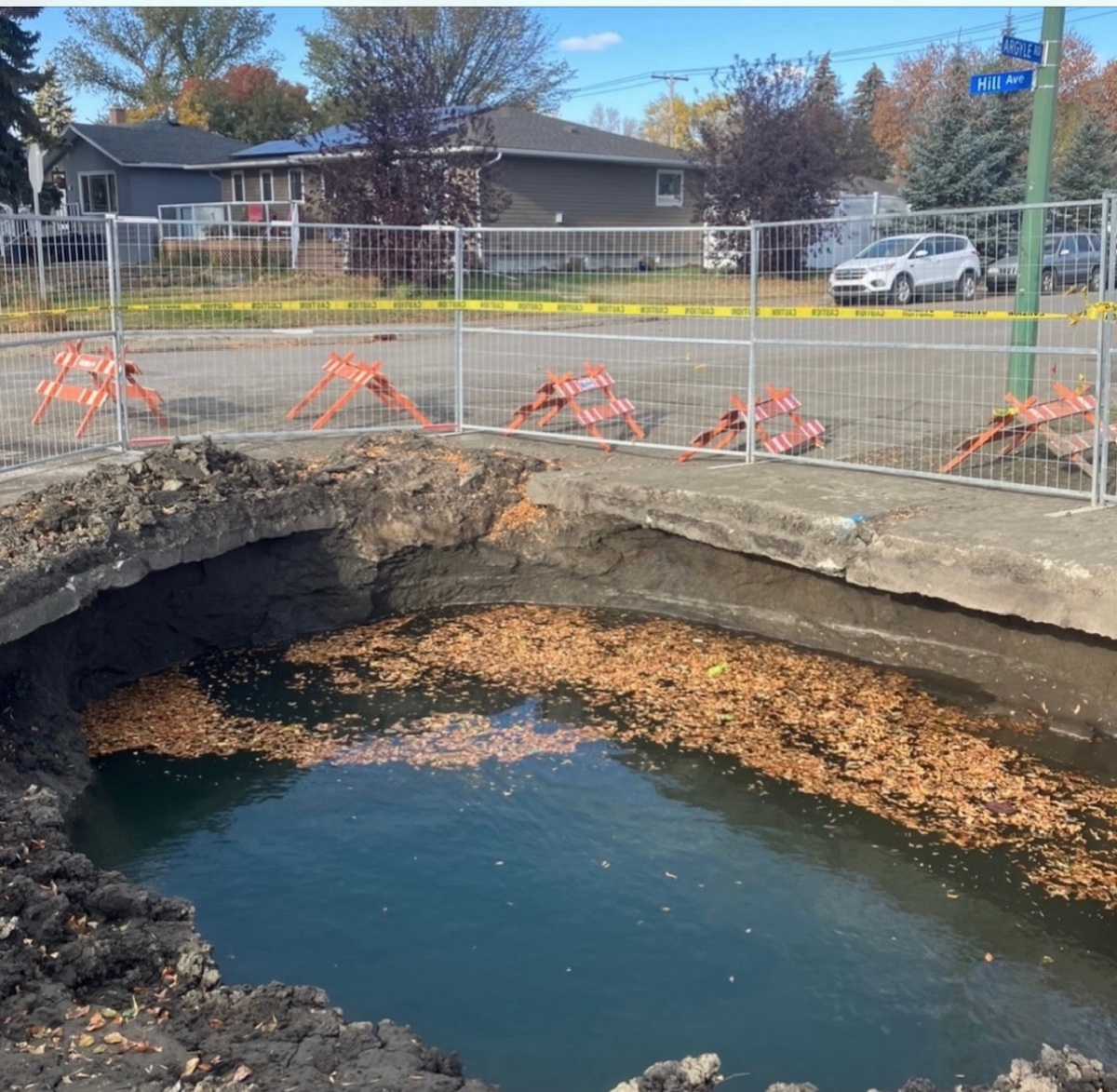
With all this in mind, places like Bellevue in Washington State would seem to have the perfect storm of conditions for high asbestos pipe failure rates and water contamination. Some 40% of its water pipes are asbestos cement, and it has particularly soft water. This catastrophic failure is not a rarity.
As all three UK water companies I contacted told me, testing for asbestos is not required, so they don’t do it, and I doubt they are actively filtering fibres. There is, therefore, a good chance that asbestos is present in much of the UK’s tap water. And even if ingesting this poses an uncertain risk, both Arthur Frank and Julian Branch raised another point: the millions of fibres in tap or shower water will be left as a residue when the water dries.
I’m only just becoming aware of this issue, and while the statistics are not yet 100% definitive, there seems to be enough evidence to take the possibility of a risk posed by water supplies very seriously. The precautionary principle, normally adopted in Europe and which the USA appears in this case to follow, seems an entirely sensible approach. If this is a problem – and the evidence suggests it might be – it could be a big one.
Special thanks to both Julian Branch and Professor Arthur Frank for their help with this article.
Tweet Share on Facebook Share on Linkedin